
Algae is Diverse
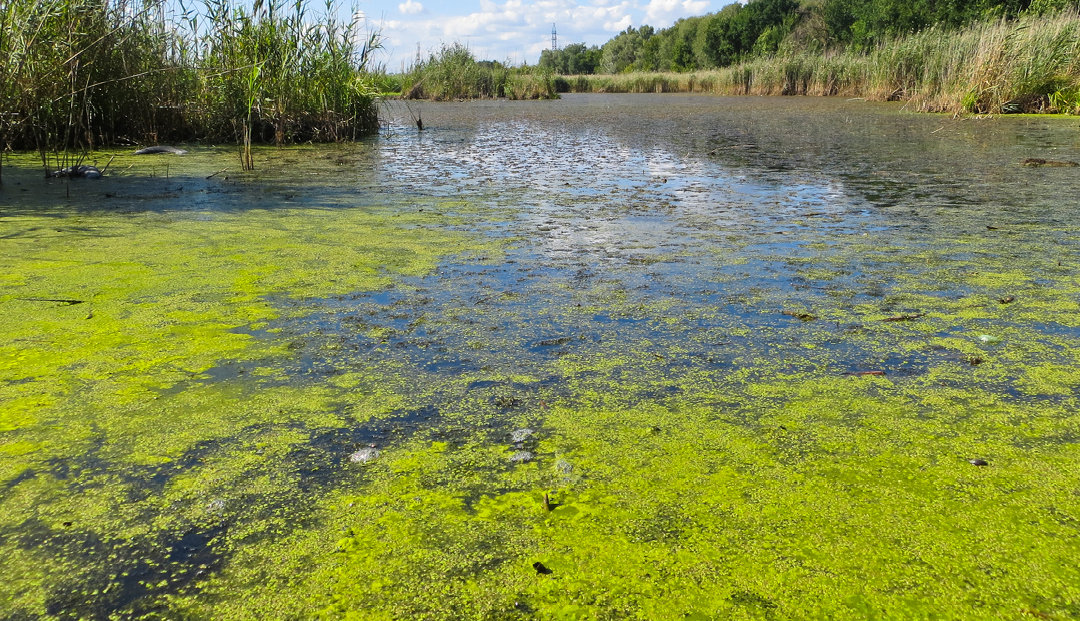
Algae is the name given to a diverse group of microorganisms. They are closely related to plants but have many differences. Plants have tissue in the form of leaves, roots and trunks. Algae do not. They are made up of cells that are generally the same.
These cells may grow as small organisms. Other times, they form long chains called filaments that can grow up to several hundred feet. There are many types of algae. They may be in the form of seaweed or pond scum. In its early stages, algae looks like pea soup. It becomes thicker over time and can emit a strong odor.
In general, algae can grow anywhere there is enough sunlight and excess nutrients for growth.
Preventing Nutrient Pollution
Nutrient pollution is when you have too many nutrients in your pond or body of water. Elements like phosphorus or nitrogen in your water can act like fertilizer. This fertilizer produces excessive growth of algae. This growth causes low levels of oxygen in the water.
Water with a low oxygen level causes a variety of problems. It can be harmful to your aquatic plant life and dangerous to fish. To maintain a healthy oxygen level, there are several treatments you can consider.
*Healthy Ponds products may reduce oxygen levels when used in poor health ponds that contain fish populations. Oxygen levels that get too low may produce localized fish deaths in any pond. If you’re concerned about the condition of your pond that contains fish, contact one of our pond-cleaning experts for assistance.
All-Natural Treatments
Healthy Ponds® has all-natural treatments that effectively reduce mild organic green matter and moderate to severe organic green matter. Simply calculate your pond size and determine what treatment is right for you. Our all-natural products release healthy beneficial bacteria into your pond and are safe for fish, plants, birds, pets and people.
Severe Algae Control
Warm weather, exposure to excessive sunlight and organic matter are all common reasons for algae growth. Plants or trees can shade ponds and reduce algae growth. It’s also important to remove dead matter and clean filters regularly. However, if you find yourself with reoccurring growth, there are treatments you can apply.
In addition to Healthy Ponds all-natural products, we also carry a line of algaecides and herbicides for severe algae. It’s important to not confuse our chemicals with our all-natural products. Healthy Ponds all-natural products are not classified as Algaecides.
Our pond chemicals are carefully selected and are most compatible with our all-natural products. They effectively kill algae and aquatic weeds. To determine which product is best for your algae control, contact customer service at 877-948-0303 or email us at support@bioverse.com.

Thank You for sharing such information. Great work.