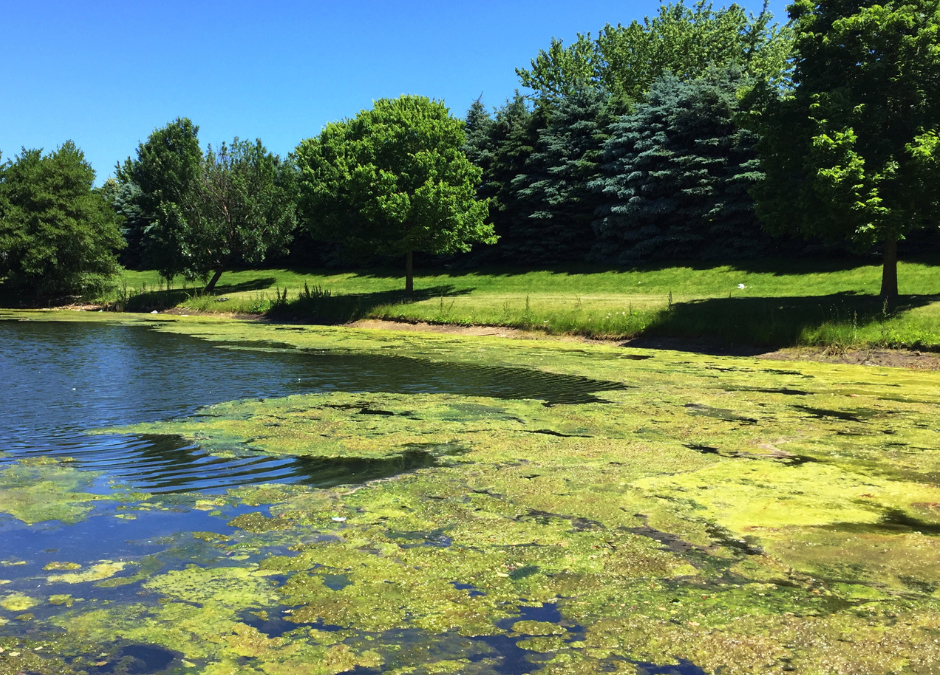
Aug 23, 2023 | Algae & Weed Control
Algae are simple, photosynthetic organisms that are naturally present in most aquatic ecosystems, including ponds. While some amount of algae is normal and even beneficial for pond ecosystems, excessive growth of algae can lead to various negative effects. Here are...
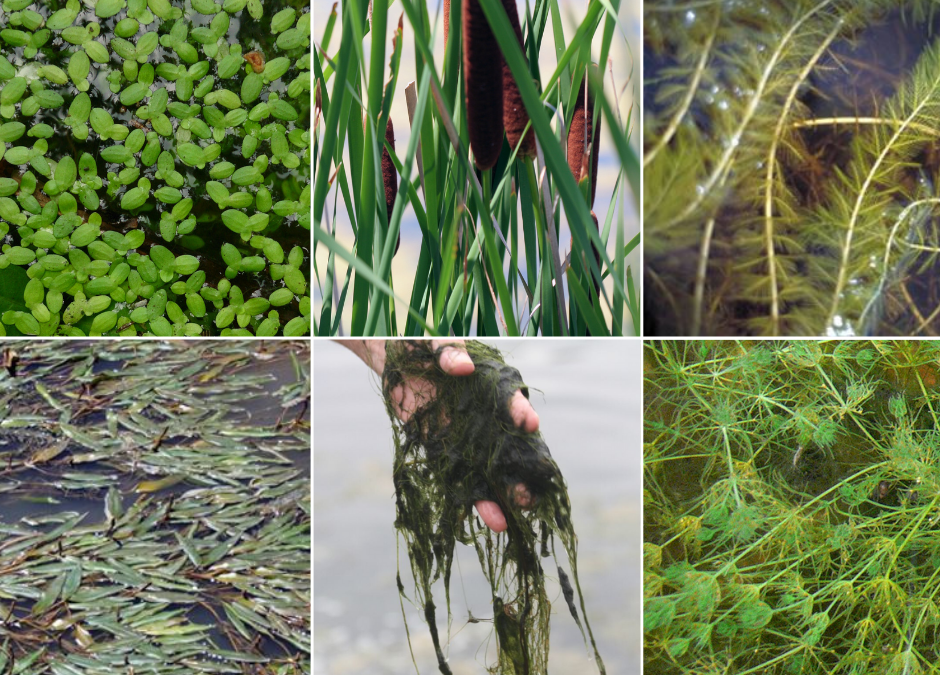
Jun 27, 2023 | Algae & Weed Control
Pond weeds, also known as aquatic plants or submerged aquatic vegetation, are classified based on their characteristics and taxonomy. They belong to various plant families and can be categorized into different groups based on their growth habits, leaf structures, and...
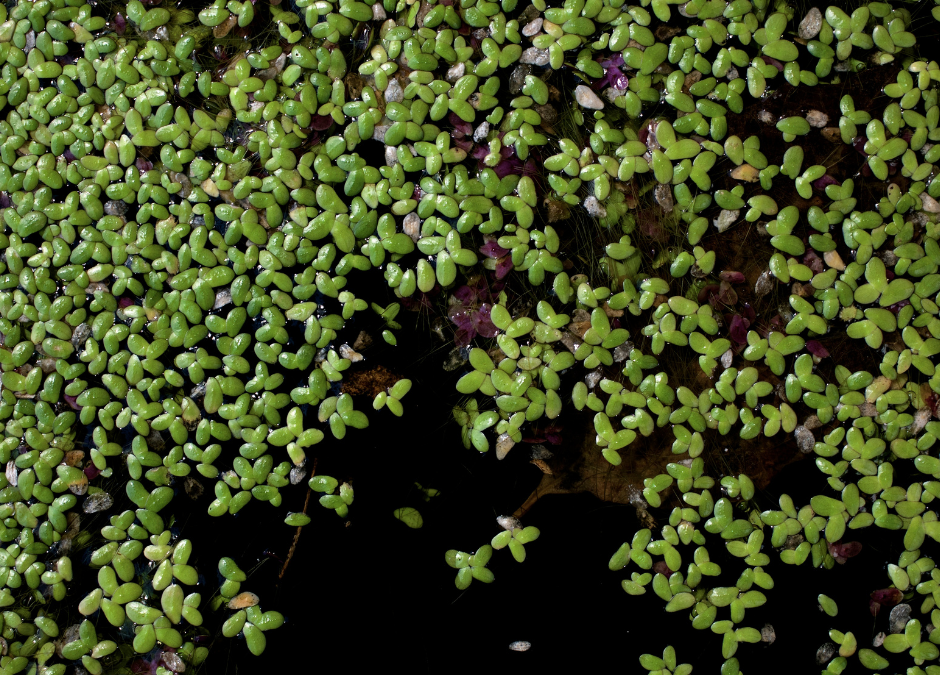
Jun 2, 2023 | Algae & Weed Control
Duckweed is a type of small floating plant that is commonly found in ponds, lakes, and other bodies of still water. It is a member of the Lemnaceae family and is made up of tiny, flat, oval-shaped leaves that are about the size of a fingernail. Duckweed is...
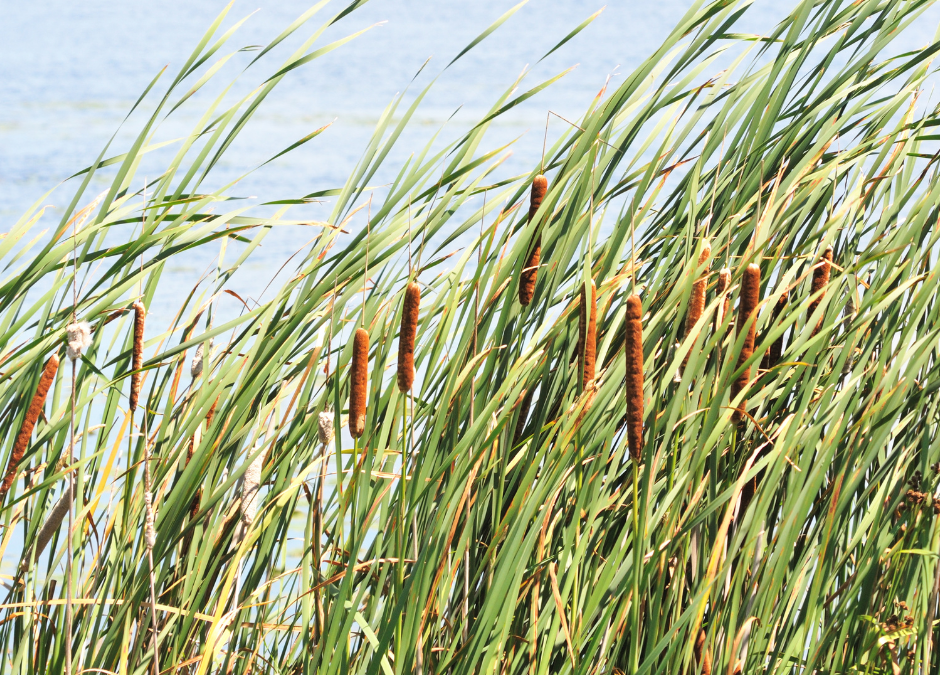
May 12, 2023 | Algae & Weed Control
Cattails are a common plant found in and around ponds. They have tall, rigid stems topped with cylindrical brown seed heads that resemble the tail of a cat, hence the name “cattails.” These plants belong to the Typha genus and are characterized by their...
Apr 28, 2023 | Algae & Weed Control
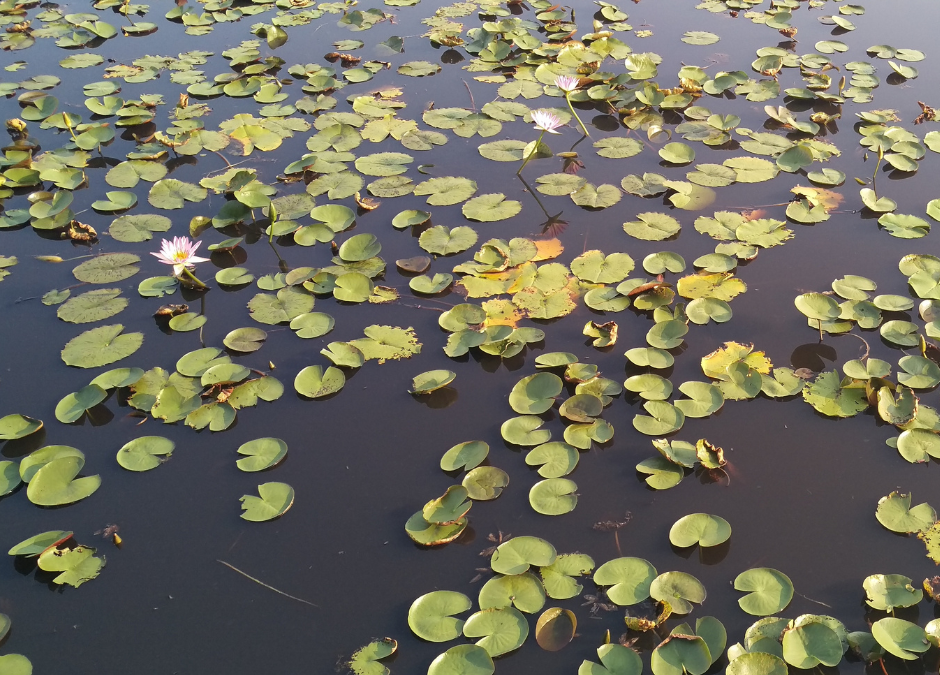
Water lilies are aquatic plants that can be found in many ponds. They are known for their beautiful flowers, which can range in color from white to pink to yellow. While water lilies can add aesthetic value to a body of water, they can also become invasive and cause...
Apr 21, 2023 | Algae & Weed Control
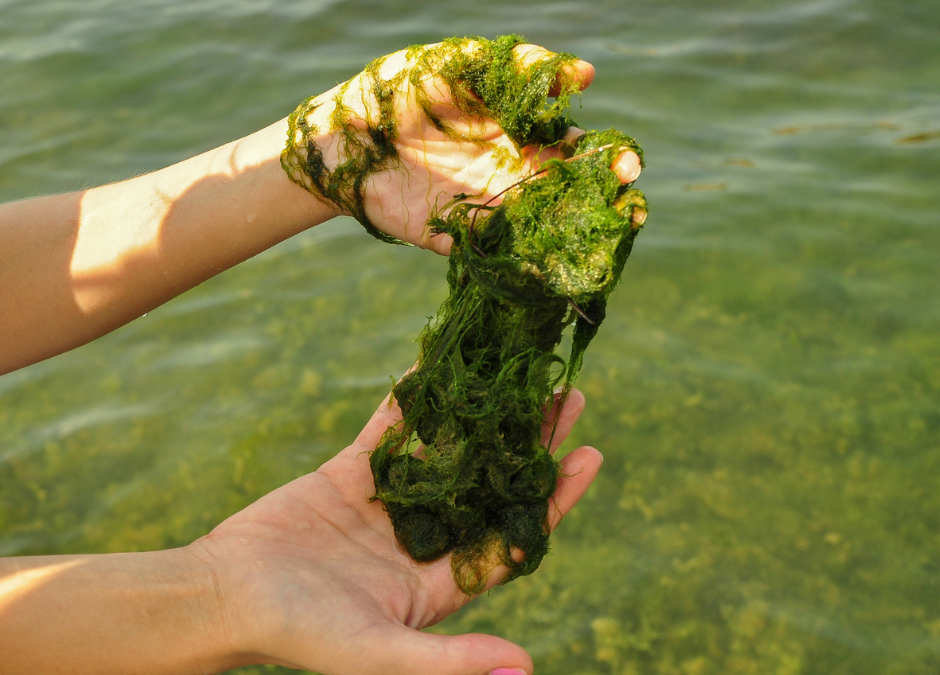
Filamentous algae, also known as string algae or pond scum, are a type of algae that form long, thin, hair-like strands that can float on the surface of bodies of water or attach to rocks, plants, and other objects in the water. They are commonly found in freshwater...